

Newsletter 4th Quarter 2023 — Koranteng & Koranteng Legal Advisors


Through The Looking Glass with Nuna Afi Attipoe: Renewable energy – a foreseeable reality?
As the world continues to strive for a more environmentally sustainable future by understanding climate change and developing ways to mitigate its adverse effects, the energy sector has been playing a crucial role in these conversations.
Specifically, the renewable energy sector has been determined to be a vital solution as it aids in the mitigation of the effects of climate change by reducing greenhouse gases and providing diverse sources of energy.
Renewable energy, sometimes referred to as clean energy, is energy that comes from natural sources that are constantly replenished or regenerate naturally. These sources of energy include solar, wind, hydroelectric power, biomass energy, geothermal, and ocean (tidal and wave energy). This class of energy is known to have low or zero carbon footprint and are therefore not classified as a major contributor to the emission of greenhouse gases.
In a world where energy consumption is at an all-time high, due to urbanization, economic development and a rising population, non-renewable energy namely fossil fuels such as coal, oil and gas, are major contributors to climate change. There have been efforts to diversify the sources of energy for the purposes of slowing down rapid climate change and further attaining a more environmentally sustainable future.
As the demand for electricity increases in Ghana, the Government of Ghana has expressed its commitment to producing sustainable sources for electricity generation. In 2016, Ghana signed the Paris Agreement, an international treaty that is aimed at tackling the negative effects of climate change.
This agreement is viewed as an ambitious climate action plan that requires its 195 signatories to submit updated national climate action plans known as Nationally Determined Contribution (NDC). Ghana’s signature to this treaty establishes the government’s commitment to include renewable energy into the nation’s body of energy supply.
Legal framework of renewable energy in Ghana
In an effort to develop the renewable energy sector in Ghana, there is a legal framework that exists to facilitate and govern the industry to ensure its full potential. The Renewable Energy Act, 2011 (Act 832) as amended by the Renewable Energy (Amendment) Act, 2020 (Act 1045) are the primary legislations that governs the industry.
Other policies and implemented programs that contribute to the establishment, development and promotion of the renewable energy industry include the National Energy Policy, the Renewable Energy Master Plan, and the National Energy Transition Plan.
The purpose of the Renewable Energy Act is to provide for the “development, management, utilization, sustainability and adequate supply of renewable energy for the generation of heat and power production in an environmentally stable manner”.
Section 2 of the Act defines renewable energy as consisting of wind, solar, hydro, bio-fuel, biomass, landfill gas, sewage gas, geothermal energy, ocean energy, and any other designated sources by the Minister. The Act also bestows the responsibility of implementing its provisions on the Energy Commission (EC).
Some of the Energy Commission’s responsibilities in the development of renewable energy include providing advice on renewable energy, promoting collaboration between the government and private sector stakeholders and civil society, promoting and supporting local manufacture of components to accelerate the growth of renewable energy sources.
Other relevant institutions such as the Public Utilities Regulatory Commission, the Environmental Protection Agency, the Water Resources Commission, Lands Commission, Forestry Commission, National Petroleum Authority, and the Ghana Standards Authority, amongst others, also work with the Energy Commission to develop, manage, and utilize renewable energy in Ghana.
It is evident from the plethora of institutions involved in the development and management of renewable energy that the Act exists to ensure that the development and promotion of renewable energy is holistic and sustainable in order to maintain longevity in Ghana’s body of energy supply. Another objective of the Act is to improve on energy security by advocating for more sustainable sources that protect the environment.
As Ghana has pledged to the global initiative of reducing emissions of greenhouse gases, carbon footprint and overall reliance on fossil fuels, the phenomenon of renewable energy is even more important.
Lastly, the development of renewable energy sources is likely to attract investments and generate employment opportunities within the sector, further contributing to the nation’s sustainable economic development.
Licensing for renewable energy projects
For any commercial activity to be undertaken in the renewable energy sector, a license must be obtained and further granted by the Energy Commission. The commercial activities in the renewable energy sector may include the production, transportation, storage, distribution, importation, exportation, installation and maintenance.
The license may be granted to either a citizen, a body corporate registered under the Companies Act, 2019 (Act 992) or a partnership registered under the Incorporated Private Partnerships Act, 1962 (Act 152).
It is noteworthy that foreign investors may participate in the renewable energy sector by incorporating a company or a joint venture with a Ghanaian company or individual which meets the relevant requirements of the Ghana Investment Promotion Centre.
The duration of the license issued by the Energy Commission under the Renewable Energy Act can vary between 5 to 20 years. A license granted may also be renewed by an application for renewal made to the Energy Commission not later than sixty (60) days before the license expires.
Power Purchase Agreements (PPAs)
The primary method for the government to procure large-scale energy supply is through power purchase agreements (PPAs) with the Electricity Company of Ghana being the main procurement entity involved.
Per section 25 of the Renewable Energy (Amendment) Act, 2020 (Act 1045) the contracting of a power purchase agreement with a renewable energy source must be by a competitive bidding process.
Renewable energy operators may enter into such agreements to provide energy for the generation of electricity as Ghana aspires to attain 100% electrification. This is especially lucrative to private sector renewable energy industry players as the nation aspires to increase its electricity access and more than ever, energy, specifically renewable energy for electricity generation is needed.
Renewable energy projects in Ghana
Solar Energy
The generation of electricity through solar photovoltaic (PV) is becoming one of the ways the energy supply is being enhanced and diversified. Due to its feasibility and environmentally sustainable advantages, Ghana is gradually turning its attention to generating electricity through this type of renewable energy. For certain projects and areas, solar energy is being used to generate electricity as a response to diversify the nation’s energy supply as well as increasing access to electricity through renewable means.
Firstly, the geographical location of Ghana makes it a very capable and suitable candidate for the production of solar energy. The advantageous tropical location grants us abundant access to solar radiation throughout the country with the highest concentration in the northern part of the country.
Currently, several companies such as Meinergy Technology, Northpark Power, Energyone, Sinohydro for Bui Power Authority have engaged in development and building of solar farms in Ghana thereby indicating that there is an interest to explore the potentially successful industry of solar energy.
Secondly, Volta River Authority has been reported to be involved in the establishment of a number of solar plants in the northern parts of Ghana in order to contribute to the government’s agenda of renewable energy development and to enhance the diversification of Ghana’s energy mix. Some of these projects include the 13MW Kaleo Plant, the 2.5MW solar plant in Navrogono, and the 6.5MW Lawra Plant.
Additionally Blue Energy Plc., a United Kingdom-based renewable energy developer is a developing a 155MW solar PV plant at Nzema in the Western Region of Ghana and when completed will be largest solar PV plant in Sub-Saharan Africa. Between the various initiatives by the government through its agencies such as the VRA and the various companies engaged in activities surrounding solar energy and its production, it appears that the solar industry is an attractive sector for investors.
The legal framework also allows for tax exemptions and certain subsidies for solar related materials. All solar panels imported to Ghana are exempt from Value Added Tax (VAT) and the import duty for industrial/ energy plant, machinery or equipment is waived and lastly, all off grid components benefit from VAT exemptions as well.
Hydropower
Another source of renewable energy is hydropower which has been patronized by Ghana since 1966 through the construction of the infamous Akosombo Dam. This has been the main source of electricity supply in Ghana and this source of energy is known as hydropower. Akosombo Dam together with the Kpong Dam have generated 65% of the nation’s electricity.
The Bui Dam which was constructed in 2013 also significantly contributes to the nation’s electricity supply. Although these large-scale dams amongst other medium and small-scale dams have served the country well, the cost-prohibitive nature of their construction, as well the limited supply of water bodies in Ghana that are feasible for power production, limits the full exploitation of this energy source. Due to this, the government although maintaining hydro power in the energy mix, has sought to add other forms of energy to the energy generation mix to ease the pressure.
Wind Energy
Wind energy has been poised as a significant potential renewable energy supply as it is cheaper and environmentally friendly. Ghana has the potential to generate wind energy in certain locations in the country. Some of these include the Eastern Region, parts of the Volta region, and Greater Accra region.
According to expert opinion, Ghana has a technical potential to produce wind energy at 82.8TWh yearly. The Ayitepa Wind Farm is a 225MW onshore wind project that is being developed in Ningo-Prampram. There is, therefore, a need to build grid infrastructure and modernize current wind farms to realize this potential. NEK (Ghana), a Swiss company has been developing the Ayitepa Wind Farm also has other wind energy projects in various locations across the country that will produce clean, sustainable, and cheap electricity for the Ghanaian population.
The Volta River Authority is also developing 150MW of wind power in the southern part of Ghana. However, such projects have been halted due to the suspension of new licenses by the Energy Commission since 2017 as the commission wanted to develop guidelines on how power purchase agreements were contracted and to ensure that licenses are granted devoid of governmental bureaucracies. This suspension was recently lifted in April 2023.
As Ghana plans to reach at least 10percent renewable energy of its energy mix by 2030 and also realize 100percent electrification, it is crucial that the development of energy sources that are clean and renewable such as wind are explored to the fullest potential. Several institutions and entities have postulated that in order for Ghana to scale up on its energy production and diversification of its energy mix, particularly renewable energy, there must be a leveraged partnership with the private sector.
Geothermal and Ocean Energy
Other forms of renewable energy include geothermal energy and ocean energy. Geothermal energy is heat energy which is tapped from the earth whilst the ocean energy is energy tapped from the wind-wave interactions in the ocean. Although these types of energy are rather novel and the technology is still being developed, it has been said to have the potential to be a reliable source of renewable and sustainable energy.
A local Ghanaian company TC Energy in collaboration with Swedish company have been working since 2015 to create Africa’s first wave power plant. This project was however stalled but has recently reached a major agreement for financing and revival.
TC Energy is projected to install a pilot 14.5MW Tidal Wave Power Plant at Ada Foah in the Greater Accra Region. A project of this kind has been tagged to be a pioneering wave energy project in Africa.
This particular company intends to utilize sea-based wave energy converters to generate up to 100MW of electricity. Various scientific writers have suggested that Ghana could present as an excellent candidate as a destination for such these types of renewable energy due to geographical location.
Carbon Credits
Companies outside Ghana are interested in the Net Zero agenda but are having difficulty meeting the goal. To facilitate their achievement of a Net Zero standard, companies buy carbon credits to achieve this.
The Government of Ghana established the Carbon Credit Fund under the Environmental Protection Agency. The concept of carbon credits has been couched under Article 6 of the Paris Agreement to which Ghana is a signatory. Although the carbon credit market is still in its early stages, there has already been impressive growth.
In 2019, the Ghana Carbon Exchange was launched and this platform exists to facilitate the buying and selling of carbon credits and to also provide support for renewable energy projects that will reduce greenhouse emissions. According to a report by the World Bank, Ghana earned 4.8 million dollars for reducing nearly 1 million tons of carbon emissions.
The World Bank Forest Carbon Partnership Facility (FCPF) in an emissions reduction payment agreement (ERPA) will pay up to 50 million dollars for 10 million tons of carbon emissions that Ghana reduces through 2024. The carbon credit market proves to be a lucrative potential source of funding for the funding of renewable energy projects in Ghana.
Conclusion
From the above discussion, it is evident that Ghana has the legal framework that supports the development of renewable energy. The legal framework is progressive but not being actively pursued. Section 53 of Act 832 states a Renewable Energy Authority be established to oversee the implementation of renewable energy activities in the country as well as to manage the assets of the renewable energy sector on behalf of the State.
This Authority is yet to be established. However, the amendment of the Bui Power Authority Act 2020, (Act 1046) allows the Bui Power Authority to assume the role of the Renewable Energy Authority. Despite the bright prospects ahead for renewable energy, there is some hesitance persisting in the industry with regards to implementation.
Some of the factors behind the slow development of the renewable energy sector is the lack of investment and active engagement amongst industry players. There is also a lack of technical experience within the renewable energy market.
Organizations such as Association of Ghana Industries (AGI) Energy Service Centre (ESC) are making considerable efforts in boosting the adoption of renewable energy.
AGI-ESC has been set up to provide training and consultancy services for renewable energy and energy efficiency. Such initiatives will boost interest within the renewable energy field and create a lucrative market for renewable energy production in Ghana.
There are also proposed incentives such as substantial tax exemptions, on materials, machinery and equipment and import duty that are intended to make the industry investor-friendly and attractive.
Renewable energy is a foreseeable reality and not just a theory. As the world rallies to combat climate change, Ghana has positioned itself to be a key industry player by setting up comprehensive frameworks and policies that present a willingness to develop the industry.
Coupled with abundant natural resources that remain untapped and the government’s commitment to establishing workable guidelines, including the recent Ministry of Energy’s Green Mineral’s Policy, the country is poised to take advantage of future developments in the green industry to potentially become a green economy.
SOURCE: https://thebftonline.com
Deep Sea Mining – By Bridget Agyei
Resource – rich countries have, for decades, explored and exploited the valuable mineral resources they have been endowed with through large-scale mining activities. Historically, a key aspect of large-scale mining has involved the exploration of minerals through surface/land-based mining which has made significant contributions to developments in growing economies. For instance, In June 2023, Ghana was ranked the number one producer of gold in Africa thus increasing its gold revenue receipts.
Lately, one type of mining exploration with even larger prospects is ocean mining/deep sea mining. The growing interest in mining the ocean is driven mostly by countries’ quest for mineral resources to enhance their mineral acquisition portfolio and an incentive to create economic value for their citizens. Additionally, the pursuit to mine the ocean floor resonates with the International Energy Agency’s 2021 report to achieve net-zero emissions by 2050 since there are scientific studies which suggest that the ocean floor comprises significant resources that are yet to be explored and which may have a targeted application for green energy technologies like electric cars, wind turbines and solar panels.
Despite its potential benefits, various stakeholders have raised concerns about the need for countries to tread cautiously with this new venture and its impact on the global ocean’s ecosystem.
It is thus necessary to examine the prospects of mining the ocean floor and review the regulatory regime in place for the exploration of the ocean’s mineral resources including those beyond a jurisdictional area.
The need for ocean mining
Minerals by their nature are unevenly distributed and non-renewable. Thus, with continuous exploitation of minerals on land, the world is likely to see a shortage in minerals once they are fully exploited. Ocean mining helps expand the exploration potential of minerals, in anticipation of a mineral shortage on land. In addition, ocean floor mining discoveries provide a new realm for extracting diverse minerals in the ocean. Various scientific research and exploration have identified that large quantities of minerals such as gold, manganese, copper and a variety of other minerals and metals can be found on the ocean floor.
The interest in mining the ocean floor has gained global momentum. It has been anticipated that this will reduce the dependency on land/surface-based mining which has caused several environmental and social challenges and concerns over decades. Some protagonists of ocean mining have argued that ocean mining has the potential to provide an economic lifeline for some island nations that are mostly at risk from rising sea levels.
Despite the projected need for ocean mining, there has not been any commercial exploitation of deep-sea mining to date as most work has centered on exploration activities by countries and private investors in national and international waters.
Regulation and sustainability
Regulation of land-based mining
In contrast to land/surface-based mining, ocean mining occurs in international waters and the legal regulatory framework for both instances are different. In Ghana for instance, the key legislation for land-based mining is the Minerals and Mining Act, 2006 (Act 703) and its amendments, which regulate minerals and mining activities. Similarly, other mining jurisdictions have respective legal and regulatory frameworks overseeing and administering their land mining activities.
Regulation of ocean mining – United Nations Convention on the Law of the Sea
Conversely, as the ocean is a transboundary resource that is shared by several countries, its regulation is not as clearcut. With its transboundary nature, the activities that occur within one nation’s boundary are likely to affect another nation. The ocean is seen as “free range”, belonging to no particular nation. Prior to the early 1980s, there were difficulties in determining the boundaries of countries along the ocean, their rights, and responsibilities with regards to the use of ocean resources that straddle across different nations. Stemming from these uncertainties, the United Nations Convention on the Law of the Sea (UNCLOS) was established in 1982 and is the genesis of the legal framework to oversee exploration activities on the ocean floor.
UNCLOS has defined the territorial limits of all states regarding international waters. Effectively, Article 3 of UNCLOS on “Breadth of the Territorial Sea” provides that “every State has the right to establish the breadth of its territorial sea up to a limit not exceeding 12 nautical miles, measured from baselines determined in accordance with this Convention”. Beyond the 12 nautical miles territory, coastal states under Article 56 of UNCLOS also have the right to claim an Exclusive Economic Zone (EEZ) of 200 miles for activities including fishing or drilling for oil and gas. These rights have provided the jurisdiction of states with regards to international waters, making waters beyond 200 nautical miles from coastal states communal property. To illustrate, Ghana’s right to its EEZ has been explored through the development of oil fields like the Jubilee Field and the Tweneboa, Enyenra, Ntomme (TEN) fields.
With the creation of the above territorial limit for states’ coastal shores, there remains a large portion of the ocean that is beyond states’ jurisdiction. For example, the Clarion-Clipperton Zone in the Pacific Ocean which has been highlighted to contain large mineral resources has attracted the interest of many states.
International Seabed Authority
UNCLOS has created key institutions that regulate the use of the ocean. The relevant institution here is the International Seabed Authority (ISA) created under UNCLOS to regulate and manage activities of ocean mining that are beyond nations’ jurisdiction and its functions are structured under UNCLOS. The ISA is tasked with establishing a system for environmental protection standards and measures as well as relevant procedural safeguards and institutional arrangements to support ocean mining. Thus, the ISA regulates and oversees mining activities beyond a jurisdictional area and maintains that “the seabed, ocean floor and subsoil thereof, beyond the limits of national jurisdiction (referred to as the “Area”), as well as the resources of the Area, are the “common heritage of mankind”. Through the ISA, state parties organize and control activities for the exploration and exploitation of mineral resources in the Area of its focus and regulate ocean mining beyond the 12 nautical miles of every nation. Presently, the ISA’s focus is on exploration and development of regulatory regimes for the exploration of the ocean floor. The ISA has no authority when it comes to minerals that are subject to the jurisdiction within a particular nation.
Accordingly, any state interested in mining the ocean floor beyond its 12 nautical miles must be subject to the regulations and procedures of the ISA.
The ISA provides for mining companies to be issued with a contract/license, however, they must be sponsored by a state that is party to UNCLOS. The states and private companies that have been issued contracts or licenses have only been involved in exploration and there has been no commercial mining to date. The first deep sea mining license was issued to the Solwara 1 project in Papua New Guinea in 2017. Presently, 31 contracts have been approved to explore minerals in Papua New Guinea’s Area in advance of mining the ocean floor.
Advancements made by the ISA
Despite the licenses approved by the ISA, the ISA is yet to finalize procedures and regulations that will give a green light for states and private companies to begin to mine the ocean floor on a commercial scale, as substantial challenges remain. Many member states have continued to debate the growing interest in ocean mining. In July 2023 for example,168 members of the ISA engaged in discussions at the ISA’s 28th meeting in Jamaica and presented opinions on inter alia, environmental management of ocean mining and protection of the marine eco-system. The session failed to approve the regulations and procedures for mining the ocean floor. Thus, discussions on finalizing ocean mining regulations and procedures have been postponed until 2025.
Developments in ocean mining
TMC, a listed Metals Company on NASDAQ have tabled their interest to apply to the ISA to start mining in the Pacific Ocean. The CEO of the company has stated that, the effects of terrestrial mining like deforestation etc. do not exist in the case of ocean mining.
China has also advanced an argument in favor of mining the ocean floor with a claim that the potential of mining the ocean floor is less destructive than mining on land. China has five (5) deep sea mining contracts authorized by the ISA and in 2022, its State Ship Building Corporation revealed its first oceanographic drilling ship.
Critics of ocean mining have tagged this new venture as a potential risk to destroy global marine life and their eco-system. For lovers of seafood, there is the argument that this may be the end of your favorite savories as ocean mining has the potential to contaminate the ocean. To date, there have been several discussions on this subject, and applicants (mining companies) continue to submit applications for exploration contracts in anticipation of potential exploration and commercial extraction in the ocean.
Method of ocean mining
Unlike land/surface mining, ocean mining occurs on the ocean floor. The process has been tagged by some mining exploration industry players and scientific experts as a complex and costly venture that involves extracting mineral deposits from the ocean floor by driving bulky robotic machines/tractors below the deep sea. The robotic machines will be tasked to excavate the ocean floor and materials found are pumped to a ship. Some waste is dumped back into the ocean while the materials that are brought into the ship will be transported onshore for processing.
While technology is still advancing to mine the ocean floor, metal companies such as Impossible Metals in the USA have developed large prototype robots that will pluck materials from the bottom of the ocean. The robots have the capacity to travel 4 miles into the deep-sea, using cameras and artificial intelligence technology to identify and define rock types that contain metals and delineate mineable minerals to ensure the protection of the ecosystem on the ocean floor.
Projected advantages of ocean mining
Generally, mining exploration stands as a cornerstone of the economic fabric of most resource -rich countries. Despite its drawbacks, the growing interest in mining the ocean floor projects some benefits. Advocates have cheered on the potential for ocean mining to meet the rising demand for mineral resources by states, to be able to meet their growing population needs. The United Nations has projected the world’s population will increase from 8 billion to 9.7 billion in 2050. Advocates present that, ocean mining will not only be providing jobs for the growing population but will also cushion the fiscal regime of states by generating significant revenues to meet their financial obligations.
The ISA provides a profit-sharing regime for ocean mining in international waters, mainly the Area, for the benefit of developing nations. Countries that exploit the Area will be required to make payments, based on their production, to the ISA. These payments will be redistributed to less developed and land-locked countries. It is projected that the inability of a state to partake in ocean mining should not preclude it from enjoying its benefits. In the end, the ISA’s conception of the international sea floor being the “common heritage of all mankind” ensures that all states benefit once the commercial ocean mining operation generates revenue.
Ocean mining has been targeted as an opportunity to advance green technologies. Industry players have predicted that the reserves of minerals used in electric vehicle batteries are in vast quantities on the ocean floor. An opportunity to mine these minerals would meet the United Nations Sustainable Development Goals to ensure access to affordable, reliable, sustainable and modern energy. These may aid in the transition to clean energy which requires the use of batteries that will power clean energy.
Furthermore, as the global population continues to increase, there is a need to find resource avenues that will sustain the population growth. Mineral resources are not evenly distributed on land and their non-renewable nature means that they will be depleted without replenishment. Ocean mining is an opportunity to reduce the overdependence on land-based minerals and explore the varied mineral resources in the ocean floor.
To-date, scientific researchers, and organizations have made valuable discoveries and advancements in deep ocean resources. These discoveries have contributed immensely to understanding the marine species and its ecosystem. Continuous research into the ocean is an opportunity to discover the world’s deep ocean.
Projected disadvantages of ocean mining
The projected benefits of ocean mining coexist with pressing concerns such as the disruption of the ecosystem of marine species. Opponents of ocean mining have stated that this venture will wipe out the marine ecosystem developed over centuries and relied on by the world, especially by communities around the ocean. In major countries that rely on the ocean for fishing and tourism, ocean mining is projected to be a red flag due to its environmental impact and ability to displace ocean creatures and surrounding communities.
Detractors of ocean mining have also argued that the ocean’s domain is fragile and still unknown and ocean mining may disrupt potential discoveries yet to be explored for the world’s benefit. They highlight a lack of thorough research on its processes and have stated that the projected benefits from ocean mining are vague at best as against the potential risks to mankind.
Another projected disadvantage of ocean mining is the major environmental impact it may have, such as pollution, from the extraction and processing of minerals. Ocean mining has the potential to wreak havoc on the ocean floor as it acts as a carbon sink by absorbing carbon emissions. Consequently, some countries have contended for a moratorium on ocean mining until its environmental ramifications are studied, identified, and understood.
Additionally, there is a school of thought that the regulation of the ocean mining industry is only at its infantile stage and nations currently do not have the capacity to regulate potential large-scale mining in the ocean. Whilst the ISA continues to hold discussions with its member states, there are controversies on developing domestic state laws towards mining in international waters. Developing countries will struggle in the management of ocean mining ventures and will require time to develop knowledge and insights in these new opportunities as existing mining regulations and practices are based on land-based mining exploitation.
Although developing countries will benefit from the profits contributed to the ISA, ocean mining has been publicized as an expensive endeavor. The exploitation of the ocean’s resources is likely to be spearheaded by countries with strong fiscal regimes and large multinational mining companies that have the financial capacity to undertake these ventures. This outcome is likely to induce developing countries to negotiate agreements that are not beneficial to them. Once countries and companies with such strong fiscal regimes/ expertise move away from the developing countries, the developing countries are likely to be left with interests that have little or no significant benefit for development.
The future of ocean mining
Very little progress has been made at advancing ocean mining activities as there is little knowledge about its potential implications. Today, land-based mining exploitation causes significant degradation to the environment. Although some activists have touted that ocean mining will cause far less degradation, the evidence on this is unclear. Even more worrying is the fact that, the cost for ocean mining appears hefty in comparison to land-surface mining. While the ISA prepares to hold the next summit, nations and all stakeholders must consider the survival of the global marine ecosystem. Countries must reflect on the lasting impact of ocean mining on communities as each one’s survival is inextricably linked to the other when considering the detrimental effect of a ruined marine eco-system.
Should Ghana be concerned with ocean mining?
Ghana’s marine and coastal environment plays an essential role through fishing and tourism activities. Communities within the coastal zones depend on marine resources as a source of livelihood. The ocean plays a key role in the country’s economic development. The fisheries sector for instance is an important sector in Ghana and between 2017-2020, the sector accounted for 1% of the country’s GDP.
In the December 2021 report on the “state of the marine environment report for Ahanta West, Elllembelle, Jomoro and Nzema East districts in the Western region of Ghana” the Environmental Protection Agency (EPA) indicated that, coastal lands make up nearly 7% of the national land area and it is also home to about 25% of the approximately 30.8 million population of Ghana (GSS,2021).
It is not disputed, that Ghana’s marine resources have played a significant role in the economy. With the growing interest in mining the ocean floor, Ghana must consider the potential impact of ocean mining on its economy and the environment. In particular, Ghana has a season where fishing is not permitted. This period is to allow restoration of the fish population for sustainable fishing. Ocean mining may have significant consequences for Ghana if the closed fishing season is not observed. Some of these consequences are overexploitation of fish stock and decline in fisheries.
Ocean mining in Ghana would be an opportunity for resource diversification and will enhance the economic benefits for the country’s growing population. In the World Bank’s 2022 report on Country Climate and Development Report (CCDRS), it stated that Ghana has not maintained the use of its natural resources, thereby intensifying the need to explore other resource avenues. Today, Ghana’s population stands at 34,121,985 with a 1.93% increase from 2022. Certainly, there is a need for the country to tap into additional avenues for resources. If Ghana is to venture into ocean mining, it must do so guardedly and monitor the ongoing developments in ocean mining to fully understand the industry and its potential environmental and social impact.
Our marine space is not only an important employment avenue for several coastal communities, but it also serves as a carbon dioxide absorption medium that sustains many communities. The country must not only consider the monetary value of ocean mining but the lives of many ocean species, communities, and the well-being of all Ghanaians.
Additionally, Ghana’s mining laws are targeted at land-based surface mining and a decision to explore the opportunities of ocean mining must consider the domestic regulatory measures that should be developed and tested before embarking on this venture. These measures must align with international standards and Ghana’s own development goals.
Conclusion
The projected economic benefits of ocean mining are attractive; however, the ramifications of it must be the foremost consideration before granting exploration and potential exploitation contracts to begin commercial-scale ocean mining. Whilst the growing population demand is touted as a core reason to explore and exploit the ocean’s resources, the ISA and all states must carefully consider its environmental impact and devise regulatory measures that ensure the protection of the marine ecosystem. These rudiments, coupled with extensive research on the “common heritage of mankind”, will provide a better appreciation of the need to mine the ocean floor to the benefit of all mankind.

Ghana’s Economic Response And Legal Framework Analysis In the Report: Ghana 2024
Oxford Business Group (OBG) and Koranteng & Koranteng Legal Advisors have formalised a strategic collaboration aimed at unveiling a comprehensive insight into Ghana’s legal framework in The Report: Ghana 2024. This partnership signifies a concerted effort to provide investors, policymakers, and businesses with essential insights into Ghana’s evolving legal landscape.
Ghana faced economic challenges in 2022 due to pre-existing imbalances and external shocks, impacting the post-COVID-19 economic recovery. The nation has responded with initiatives such as front-loaded fiscal consolidation, tighter monetary policies, and structural reforms in key domains, including tax policy, revenue administration, and public financial management. Additionally, efforts are underway to address vulnerabilities in sectors like energy and cocoa, aimed at restoring macroeconomic stability.
Koranteng & Koranteng Legal Advisors has been involved in the renegotiation of power purchase agreements and restructuring of the debts owed to Independent Power Producers (IPPs) on behalf of the Ministry of Finance.
The upcoming report seeks to shine a light on critical aspects of Ghana’s legal environment. It will delve into an extensive analysis of the country’s current legal structures, encompassing corporate law, labour regulations, foreign investment policies, and property laws, among other essential facets.
Afua Adubea Koranteng, Managing Partner at Koranteng & Koranteng Legal Advisors, expressed their support in the nation’s efforts to attract investments and enhance understanding among global stakeholders through this partnership with OBG.
“Through meticulous examination and analysis, The Report: Ghana 2024 aims to elucidate not just the existing legal structures but also the evolving trends and pivotal changes shaping Ghana’s legal ecosystem. We aspire for this report to serve as a cornerstone resource, empowering stakeholders with a profound understanding of the legal nuances crucial for navigating Ghana’s dynamic business landscape with confidence and clarity,” she added.
Ramona Tarta, OBG’s Country Director in Ghana, emphasised the significance of this partnership, designating it as noteworthy as it stands as a testament to the combined expertise and commitment to providing a comprehensive understanding of Ghana’s legal landscape, promising a depth of insight that stakeholders can expect with great anticipation.
“Our collaboration represents a fusion of expertise aimed at offering an unparalleled exploration of Ghana’s legal framework in The Report: Ghana 2024. This partnership harnesses OBG’s established credibility and Koranteng & Koranteng Legal Advisors’ extensive local insight, providing a holistic view that aims to navigate complexities and offer invaluable perspectives essential for stakeholders seeking a deeper comprehension of Ghana’s evolving legal environment,” she said.
The Report: Ghana 2024 will be developed in collaboration with Koranteng & Koranteng Legal Advisors, and esteemed partners including Ghana Investment Promotion Centre (GIPC), Association of Ghana Industries (AGI), Price Waterhouse Cooper Ghana (PwC), and Africa Medical Information Centre (AMIC). The report will feature contributions from leading figures in both the public and private sectors, showcasing insights from prominent personalities and experts within Ghana’s legal and business landscape.
The culmination of extensive field research conducted by a team of analysts from Oxford Business Group, The Report: Ghana 2024 will serve as a comprehensive guide encompassing various facets of the country’s legal framework, economic landscape, and sectoral developments. It aims to provide invaluable insights tailored for investors, businesses, and policymakers seeking a profound understanding of Ghana’s evolving business environment.
Source: Peacefmonline.com
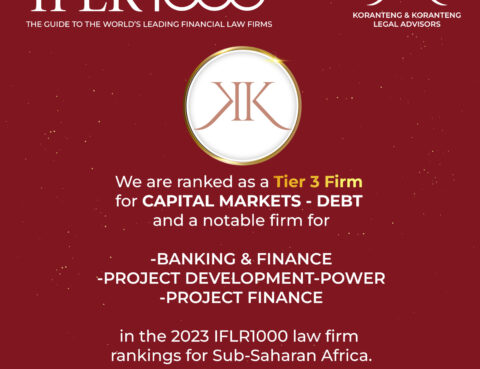
Koranteng & Koranteng Legal Advisors has been ranked by the IFLR1000 in its 2023 edition
Koranteng & Koranteng Legal Advisors has been ranked by the IFLR1000 in its 2023 edition of the world’s leading financial law firms as a Tier 3 firm in Capital Markets: Debt, in Ghana and to once more be recognised as a notable firm in Banking & Finance, Project Development: Power and Project Finance. We are very proud of our team and wish to extend our appreciation to our clients, without whom, this would not have been possible.
Read More : https://www.iflr1000.com/Jurisdiction/Ghana/Rankings/136#rankings
Newsletter 3rd Quarter 2023 — Koranteng & Koranteng Legal Advisors



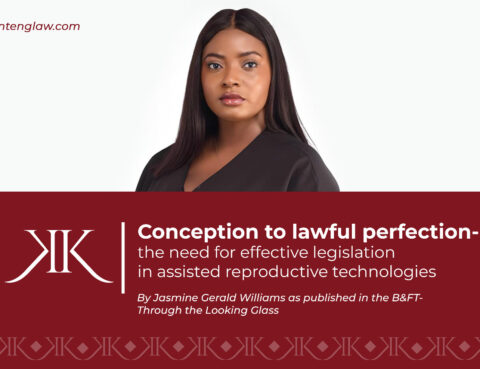
Conception To Lawful Perfection: The Need For Effective Legislation In Assisted Reproductive Technologies In Ghana
Written by Jasmine Gerald Williams a Trainee Associate at Koranteng & Koranteng Legal Advisors
Contact: info@korantenglaw.com
There has been a significant decline in fertility rates on a global scale, and this decline appears to coincide with the continuous increase in environmental pollutants and chemical contaminants. Additionally, substantial shifts in both behavioral and physical patterns like delays in childbearing, excessive exposure to chemicals and pollutants etc. have contributed to this trend. It is worth noting that not only have women’s fertility rates decreased significantly, but men’s fertility has also seen a reduction. In a 2022 review conducted by Hagai Levine and his research team on the worldwide trends in sperm count, they found that sperm counts, on average, fell by 1.2% per year from 1973 to 2018, decreasing from 104 million per milliliter to 49 million per milliliter. Furthermore, after the year 2000, this decline accelerated to over 2.6% per year. This worrying trend in fertility among both men and women has led to an increased reliance on assisted reproductive technology (ART) as a means to achieve conception.
Let’s Talk About Art
ART is a collective term for medical procedures and treatments designed to assist individuals or couples in achieving pregnancy when they are facing fertility challenges or difficulties conceiving naturally.
ART typically involves the manipulation of eggs, sperm, or embryos outside of the human body. These technologies are used to address a variety of infertility issues and can significantly increase the chances of successful conception. Some of the different forms of ART include In Vitro Fertilization (IVF), Intracytoplasmic Sperm Injection (ICSI), Gamete Intrafallopian Transfer (GIFT), Zygote Intrafallopian Transfer (ZIFT), Embryo Cryopreservation (Frozen Embryo Transfer), Surrogacy, Egg Donation, Sperm Donation, Embryo Donation, Preimplantation Genetic Testing (PGT), Intrauterine Insemination (IUI), and Ovulation Induction.
The growing rate of infertility has consequently led to the rise of ART. As per Grand View Research’s report regarding trends in the ART market, the global ART market is currently valued at approximately $25.7 billion, with expectations of a compound annual growth rate (CAGR) of 5.97% projected for the period between 2023 and 2030. This value has steadily increased over the years as more countries have begun embracing ART due to its growing demand. However, it is worth noting that the adoption of ART can vary across different nations based on factors such as cultural attitudes, accessibility, and legal frameworks.
Art In Ghana
In the context of Sub-Saharan Africa, South Africa, Kenya, Nigeria, and Ghana are often cited as countries worth noting in the operation of ART. In Ghana, the first IVF baby was born in 1995. That means ART was introduced in Ghana almost three decades ago, but Ghana has still not made significant strides in enacting effective legislation to regulate the industry.
Until recently, Ghana lacked legislation specifically governing ART. However, this changed with the enactment of the Birth and Death Registration Act, 2020 (Act 1027), which marked a significant step towards regulating ART in the country.
Birth and Death Registration Act, 2020 (Act 1027)
While a significant stride forward, Act 1027 addresses only a single facet within the vast realm of ART, despite the existence of various forms of ART being utilized in Ghana. While Section 48 of Act 1027 explains assisted reproductive birth to mean “the use of modern technological advancement including fertility medication, artificial insemination and in vitro fertilisation to cause reproduction and childbirth other than by the orthodox means”, its primary focus lies in the domain of surrogacy.
Section 22 of Act 1027, “Registration of assisted reproductive births” allows for intended parents to apply for either a pre-birth parental order or post-birth parental order.
- For a pre-birth parental order to be granted, an intended parent or a surrogate may, within twelve (12) weeks of introducing an embryo or a gamete into the surrogate mother, apply to the High Court for a pre-birth parental order to allow;
(a) either the intended parent or surrogate mother, or
(b) both parents of a child,
to be named as the parent of a child born through surrogacy or any other assisted reproductive birth if the birth occurs within twenty-eight (28) weeks of the order of the High Court.
- Where the High Court is convinced of the evidence of parentage and the existence of a surrogacy, the High Court shall issue a pre-birth parental order naming the legal parent of the unborn child and a copy of the order shall be issued to; (a) the District Registrar of the district in which the child will be born; (b)the intended parent; (c)the surrogate mother; and (d) the hospital where the child is born, if the birth occurs at a hospital facility.
- On the other hand, a woman who gives birth to a child shall, in the absence of an order of the High Court naming another person as the mother, be registered as the mother of the child.
- Where a child is already born, an intended parent or surrogate mother may apply to the High Court for a post-birth parental order or substitute parentage order.
- Where the High Court approves an application made, the High Court shall issue a post-birth parental order or substitute parentage order naming the intended parent or surrogate mother as the legal parent of the child, and a copy of the order shall be immediately served on the District Registrar.
- A post-birth parental order or substitute parentage order issued shall, in substance, be in the form of an adoption proceeding and shall be lodged at the High Court at least twenty-eight (28) days after the birth of the child but not later than six (6) months after the birth of the child. The District Registrar shall, on receipt of a sealed substitute parentage order from the High Court, strike out or cause to be struck out the original birth record, and or cause to be opened a new birth record with the intended parent or surrogate mother named as the parent of the child, in accordance with the order of the High Court.
Weaknesses of Art in Ghana
To begin with, a persistent challenge that needs addressing is the lack of robust regulation for ART. The absence of well-defined regulations has created a significant ethical and legal void. It is widely recognized that numerous fertility clinics and medical facilities in Ghana provide various forms of ART including surrogacy. However, the crucial question is whether these hospitals and clinics are subject to regulatory oversight concerning ART procedures beyond the oversight all medical facilities are subject to.
Countries like South Africa have legislation such as the National Health Act of 2003, the Regulations Relating to Artificial Fertilization of Persons, 2012 as well as the Children’s Act of 2005 regulating ART. Advanced countries like the United States of America and the United Kingdom have more comprehensive systems regulating ART. The United States have regulatory bodies such as the Centers for Disease Control and Prevention (CDC), Food and Drug Administration (FDA), and Centers for Medicare and Medicaid Services (CMS) that oversee ART. Similarly, the United Kingdom has the Human Fertilisation and Embryology Authority (HEFA) responsible for regulating the use of gametes and embryos in fertility treatment and research. Despite the presence of numerous health regulations governing healthcare personnel and establishments in Ghana, it notably lacks explicit regulatory directives pertaining to ART in contrast to the previously mentioned countries. This gap has led to uncertainties surrounding ethical and legal concerns, such as donor anonymity, surrogate rights, cross-border surrogacy, and the legal status of embryos.
Some shortfalls
- Age: A notable concern in Section 22 of Act 1027 in relation to surrogacy is the absence of well-defined guidelines concerning the suitable age for an individual to serve as a surrogate and the establishment of the rights and responsibilities of surrogate mothers. Additionally, the Act remains silent on the specific legal prerequisites for entering into a surrogacy arrangement.
- Third Party Contributors: There is a risk of a double standard of care by placing a higher emphasis on satisfying the paying customer’s requirements rather than ensuring the medical welfare of third-party contributors such as surrogates or egg donors.
- Emotional Harm: Furthermore, there is apprehension regarding the possibility of emotional and financial harm arising from imbalanced power dynamics between third-party contributors and intended parents. There are also concerns about potential biases introduced by intermediaries and professionals operating within the ART industry This is because the involvement of intermediaries and professionals may limit the autonomy of third-party contributors and hinder communication between third-party contributors and the intended party which causes biases and leads to emotional stress for the third-party contributor.
- Cross- Border Regulations: The absence of cross-border surrogacy regulations can expose third-party reproductive contributors to potential exploitation, manipulation, and conditions that may align with the criteria for human trafficking. Questions of children’s legal parentage and nationality in transnational surrogacy are also an issue to be addressed.
- Donor anonymity:
Donor anonymity pertains to the practice of maintaining the confidentiality of individuals who donate sperm, eggs, or embryos for assisted reproductive purposes. In other jurisdictions, the law prioritizes the donor’s right to privacy. However, the situation in Ghana differs from this norm. Section 22 (12) of Act 1027 stipulates that “The District Registrar shall keep the original birth record struck out under subsection (11) in a confidential place, and that birth record shall be made accessible to the child whose birth entry was made only when that child attains the age of twenty-one years.” This legal provision in Ghana implies that the country does not mandate indefinite donor anonymity, as it allows access to the donor’s information by the child at the age of twenty-one (21).
In addition, the law is silent on the ability for donors to obtain information about donor-conceived children. Specific provisions on the ability of donors to obtain information about children conceived with their sperm or eggs would provide clarity in that area.
- Information: Ethical concerns also emerge when patients are not adequately informed about the risks and potential complications of ART procedures. The absence of strict regulations can impact the informed consent process, leading to patients making decisions without complete information.
In the absence of stringent oversight, there is a risk of variable standards in clinical practices, laboratory protocols, and healthcare professional qualifications. This inconsistency can affect the safety and quality of ART procedures, potentially jeopardizing the health of patients.
- Despite the clear provisions regarding privacy and confidentiality in the Data Protection Act, 2012 (Act 843), it appears that a significant number of ART clinics are not registered and lack a comprehensive understanding of their roles as data processors and data controllers. Ensuring the disclosure and protection of patients’ medical information is vital, and it should align with the guidelines established in the Data Protection Act.
- It is obvious that an unregulated market has also created an environment where commercial interests have overridden the best interests of ART patients. This has led to excessive pricing and a lack of transparency in the service provision.
A Case Study Of Art In South Africa
South Africa is widely recognized as an African country that has made significant progress in the field of ART. South Africa has well-established regulations, a comprehensive framework for fertility treatments, and a growing number of fertility clinics offering a wide range of ART services, including in vitro fertilization (IVF), surrogacy, and gamete donation.
Assisted reproduction in South Africa is regulated by the National Health Act [No. 61 of 2003] and the Regulations Relating to Artificial Fertilization of Persons, 2012 as well as the Children’s Act [No. 38 of 2005] and the regulations thereto.
Comparison of Surrogacy in South Africa
Surrogacy in South Africa is governed by the Children’s Act [No.38 of 2005]. Unlike Ghana, South Africa has legal requirements for surrogacy agreements. It should be noted in South Africa, artificial fertilization must be authorized by a court before it is executed. This means that it is prohibited to artificially fertilize a woman in the execution of a surrogate motherhood agreement or render assistance in such artificial fertilization, unless that artificial fertilization is authorised by a court in terms of the provisions of the act.
The Children’s Act [No. 38 of 2005]
Section 1(1) of the Children’s Act defines a surrogate motherhood agreement as an agreement between a surrogate mother and a commissioning parent in which it is agreed that the surrogate mother will be artificially fertilised for the purpose of bearing a child for the commissioning parent and in which the surrogate mother undertakes to hand over such child to the commissioning parent upon its birth, or within reasonable time thereafter, with the intention that the child concerned becomes the legitimate child of the commissioning parent.’
The act further provides a definition of a surrogate mother and explicitly specifies that the surrogate mother must be of legal adult age. Section 1(1) of the act defines a surrogate mother as “an adult woman who enters into a surrogate motherhood agreement with the commissioning parent”. Considering the fact that the age of maturity in South Africa is 18 years, “adult” in this context refers to someone who has attained the age of 18 years and above.
Derived from the definition of surrogate motherhood agreement, it is evident that the conception of the child must occur through artificial methods. Additionally, the surrogate mother must have the intention to transfer custody of the child to the commissioning parent after birth, with the aim of establishing the child as the lawful offspring of the commissioning parent. The commissioning parent is an individual who engages in a surrogate motherhood agreement with the surrogate mother.
Section 294 of the Children’s Act reads as follows:
“No surrogate motherhood agreement is valid unless the conception of the child contemplated in the agreement is to be effected by the use of the gametes of both commissioning parents or, if that is not possible due to biological, medical or other valid reasons, the gamete of at least one of the commissioning parents or, where the commissioning parent is a single person, the gamete of that person.”
Section 292 of the act clearly requires the SMA to be in writing and signed by all parties, the agreement is entered into in the Republic; at least one of the commissioning parents, or where the commissioning parent is a single person, that person, is at the time of entering into the agreement domiciled in the Republic; that the surrogate mother and her husband or partner, if any, are at the time of entering into the agreement domiciled in the Republic and finally the agreement is confirmed by the High Court within whose jurisdiction the commissioning parent or parents are domiciled or habitually resident.
Rights of the Surrogate under the act
Additionally, the act is clear and unambiguous regarding the rights and responsibilities of the parties in a surrogacy agreement. First, where the surrogate mother is married or has a partner, she must seek consent from her husband or partner before the court will confirm such an agreement.
The surrogate mother, who is also a genetic parent, has the right to terminate the agreement at any time prior to the lapse of sixty (60) days after the birth of the baby by filing a written notice with the court. The effect of such termination is that any parental rights established are terminated and are now vested in the surrogate mother, her husband or partner, if any, or if none, the commissioning father.
Where the agreement is terminated before the child is born, the child is the child of the surrogate mother, her husband or partner, if any, or if none, the commissioning father, from the moment of the child’s birth.
The surrogate mother and her husband or partner, if any, or if none, the commissioning father, is obliged to accept the obligation of parenthood since the commissioning parents have no rights of parenthood and can only obtain such rights through adoption; and the child has no claim for maintenance or of succession against the commissioning parents or any of their relatives.
Also, the surrogate mother has the right to terminate the pregnancy but she must inform the commissioning parents of her decision prior to the termination and consult with the commissioning parents before the termination is carried out.
The surrogate mother incurs no liability to the commissioning parents for exercising her right to terminate a pregnancy except for compensation for any payments made by the commissioning parents in terms of where the decision to terminate is taken for any reason other than on medical grounds.
It is important to note that surrogate motherhood is purely altruistic in South Africa. No person may, in connection with a surrogate motherhood agreement, give or promise to give to any person, or receive from any person, a reward or compensation in cash or in kind. Any fees or compensation paid must be incidental to the surrogacy agreement. These costs should be directly associated with the surrogacy process and should not serve as the motivation for engaging in surrogacy.Top of Form
Laws on other forms of ART in South Africa
Donor egg or sperm
In South Africa, no one is allowed to be paid for donating their eggs or sperm and the donor’s identity is protected by law. Parents using donated eggs will receive a donor profile which will detail characteristics and academic/social achievements of the donor.
Donor anonymity
South African regulations on ART do not mandate donor anonymity. Donors have the freedom to choose whether to remain anonymous or known, with the law allowing various degrees of openness based on the donor’s preference and consent. The Children’s Act grants donor-conceived children the right to access information about their genetic parents, but not their identity until they reach 18. Regulations and case law support the legality of known gamete donation, and the Protection of Personal Information Act, 2013 requires specific consent for disclosure.
IVF procedures
South African law also prevents a spouse or partner from using the sperm of their deceased partner in an IVF procedure unless consent is clearly given in the deceased’s will. It also has a time limit for the storage of frozen embryos which should not be more than ten (10) years.
Genetic Screening
Selection of embryos or genetic screening is currently not legal in South Africa.
Driving Transformations In Ghana’s Art Sector: Reform Measures
Regulators
There is no question that there is a need for effective legislation and regulations which would encompass the broader spectrum of ART being practiced in Ghana. By extension, there is also the need for the formation of regulatory bodies or the specific authorisation of existing regulators within the medical field to enforce adherence to safety practices.
Effective regulation promotes transparency in the ART process. This includes providing patients with clear information about their treatment options, potential risks, success rates, and costs. Informed consent, a fundamental ethical principle in clinical practice and medical research, must be upheld through proper regulation.
To illustrate, in contrast to Ghana’s situation, the United States, a major player in the ART industry, employs a multifaceted regulatory approach. In the U.S., various entities oversee the ART sector to ensure patient safety and ethical standards. Key regulators include the American Society for Reproductive Medicine (ASRM), which provides comprehensive guidelines, standards of practice, and recommendations for reproductive medicine and ART procedures. Additionally, the Society for Assisted Reproductive Technology, an affiliated organization with ASRM, maintains a transparent database of ART outcomes, enhancing accountability and data reporting for both fertility clinics and patients. Furthermore, the Food and Drug Administration (FDA) plays a crucial role by regulating the safety and efficacy of fertility drugs, donor sperm, and reproductive tissues, while also monitoring and addressing adverse events associated with ART. Adopting this approach into Ghana’s ART industry would undoubtedly have advantageous effects on the sector’s development and the quality of services available.
Legislation
Undoubtedly, the establishment of laws safeguarding the interests of all stakeholders plays a pivotal role in advancing the field of ART in Ghana. Comparing Ghana’s legal framework to that of South Africa, it becomes evident that South Africa has enacted comprehensive legislation such as the Children’s Act and the National Health Act which provide clear guidelines for ART. This legislative approach has had a notable positive impact on the ART industry in South Africa with clear guidelines on surrogacy setting a noteworthy example that can be emulated by Ghana.
Legislation can establish clear rights and responsibilities for donors and surrogates. This includes issues related to informed consent, the handling of genetic material, compensation, health and safety, and the right to anonymity or openness depending on individual preferences.
Laws should also address the rights of children conceived through ART, including the right to citizenship and inheritance. A legal framework must define the parental rights of intended parents, specifying their rights and responsibilities toward the child born through ART.
Legislation must outline mechanisms for dispute resolution and legal remedies in case of conflicts or disagreements between parties involved in ART arrangements.
If international adoption is part of the ART process, laws should define the legal procedures and requirements for international adoption to protect the rights of the child and all parties involved by maintaining open communication, adhering to legal agreements, providing mental health assistance, offering educational resources, and conducting regular evaluations to ensure fairness and emotional well-being in the arrangement.
By creating a comprehensive legal framework that addresses the above issues, Ghana can establish a secure and ethical environment for ART, protect the rights of all stakeholders, and ensure that the industry operates with transparency and fairness. Scientific advancements in ART should be leveraged for our benefits, whilst ensuring the simultaneous enforcement of robust legislation to guarantee its safe and regulated utilization. This, in turn, can boost public confidence in the ART sector and promote its growth and development, helping those in need whilst generating revenue for those in the sector.
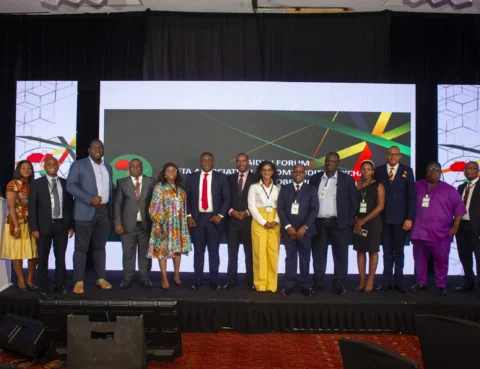
14 African commodity exchanges join forces under AfCFTA
A total of 14 commodity exchanges on the continent have agreed to harness their collective potential under the African Continental Free Trade Area (AfCFTA), in what market watchers have described as one of AfCFTA’s biggest feats thus far.
High on the AfCFTA Association of Commodities Exchanges’ (ACX) agenda, the body is to work collectively on making the continent food-secure and promote market efficiency through sharing knowledge and best practices. ACX will encourage the adoption of modern trading practices including electronic trading platforms and standardised contracts, as well as enhance market information across the continent. This will enhance market efficiency, reduce transaction costs and attract greater participation from both domestic and international traders.
The Association also aims to enhance advocacy efforts by engaging with relevant stakeholders, including government agencies and industry experts, to help raise awareness about the role of commodity exchanges in price discovery, risk mitigation and market access; thereby driving policy reforms that facilitate the growth of efficient and transparent commodity trading platforms across the region.
This is particularly key, given that the formalised commodity trading space in most AfCFTA markets is at a nascent stage – with the exception of South Africa.
The ACX initiative is spearheaded by the Ghana Commodity Exchange (GCX), and will most importantly facilitate cross-border trade. Under this, ACX hopes to work closely with AfCFTA on harmonising trade regulations, simplifying Customs procedures and expediting cross-border transactions.
At an event in Accra dubbed the ‘Maiden Forum: AfCFTA Association of Commodities Exchanges’ and themed ‘Connecting Africa: advancing regional trade through commodities exhanges’, the Chief Executive Officer of GCX and convener of the gathering, Tucci Ivowi, declared that there is no better time for African commodity exchanges to contribute in the realisation of a common African market than now.
“One thing we believe is that if we come together with one voice, we can achieve our common goals and promote certain policies – and we can move much, much faster than if we are working as individuals.
“We have some commodities which are not available in other markets, so the idea is to link together and ensure that food security is no longer a concern across our region; and that we can also provide commodities which we all need across the continent,” she said.
The ACX is under the umbrella of AfCFTA – specifically under the Guided Trade Initiative, which is trying to match countries and products. As explained by Mrs. Ivowi, the overarching goal of the African Commodities Exchanges is to help build capacity and leverage synergies, opening up endless opportunities for cross-border commodity trading within the free trade area.
“Different African countries have established commodity exchanges and we are at different stages; there are common challenges across the board, but we also see common opportunities. So, we gathered together all the commodity exchanges in Africa to really sit down and have a dialogue about how we can work together on areas such as promoting food security, collaborating for inter-regional trade – and also to ensure market efficiency across the continent,” the GCX CEO added.
In all, 14 active commodities exchanges are joining forces; and the move is widely viewed by respective participatory countries as apt, given the common trading framework established by AfCFTA.
Common African commodity exchange
Asked if she foresees a common African commodity exchange, she responded in the affirmative, saying: “Possibly yes – each country has its characteristics, each has its commodities; and there may be some areas where a common commodity exchange could help. But at the same time, the fact that we all operate electronic platforms which are interlinked, or can be interlinked, means that we can all trade easily among ourselves without necessarily having a common exchange”.
Overcoming liquidity constraints
On the challenges faced by GCX and the continent’s other exchanges, Mrs. Ivowi concluded that, following interactions with her peers and other industry stakeholders, they are pretty much the same everywhere – with inadequate liquidity being the dominant concern.
“One of the key things at the early stages of a commodity exchange is to build liquidity, whether you are going into a market or you are a new player. All successful commodity exchanges have taken many years to get there, and I have no doubt that we will get there one day,” she expressed.
Apart from South Africa which has a well-developed commodity exchange, the rest of exchanges on the continent are at a nascent stage.
To get there, however, she emphasised the need for large buyers and sellers – adding that policy initiatives, such as making it mandatory for certain commodities to go through the exchange, would also be helpful.
The other option advocated by Mrs. Ivowi is working with financial institutions to build liquidity.
SOURCE: THEBFTONLINE.COM

MONDAQ Capital Markets Comparative Guide - Ghana.
We are pleased to have contributed to the MONDAQ Capital Markets Comparative Guide – Ghana. This guide highlights the legal and regulatory framework of the capital markets in Ghana (as at 2021). We thank all associates and interns of the firm who contributed to this. #capitalmarkets #stockmarkets #Mondaq #ComparativeGuides #commerciallaw #ghanabusiness #securitieslaw #securitiesregulation #securities #korantenglaw #corporatelaw
Renewable Energy Comparative Guide
We are pleased to announce the launch of the Mondaq Renewable Energy Comparative Guide. Ama Koguah Obese-Jecty and Afua A. Koranteng were the firm’s contributing authors on Ghana supported by the rest of the team. The guide provides an overview of some of the key points of law and practice in renewable energy, allowing you to compare regulatory environments and laws across multiple jurisdictions. Read Here